
Washington, D.C. · Monday to Friday
Daily U.S. political reporting from Washington
Demboria Digital is an independent news publication covering the people, votes, and legal fights that shape American government.
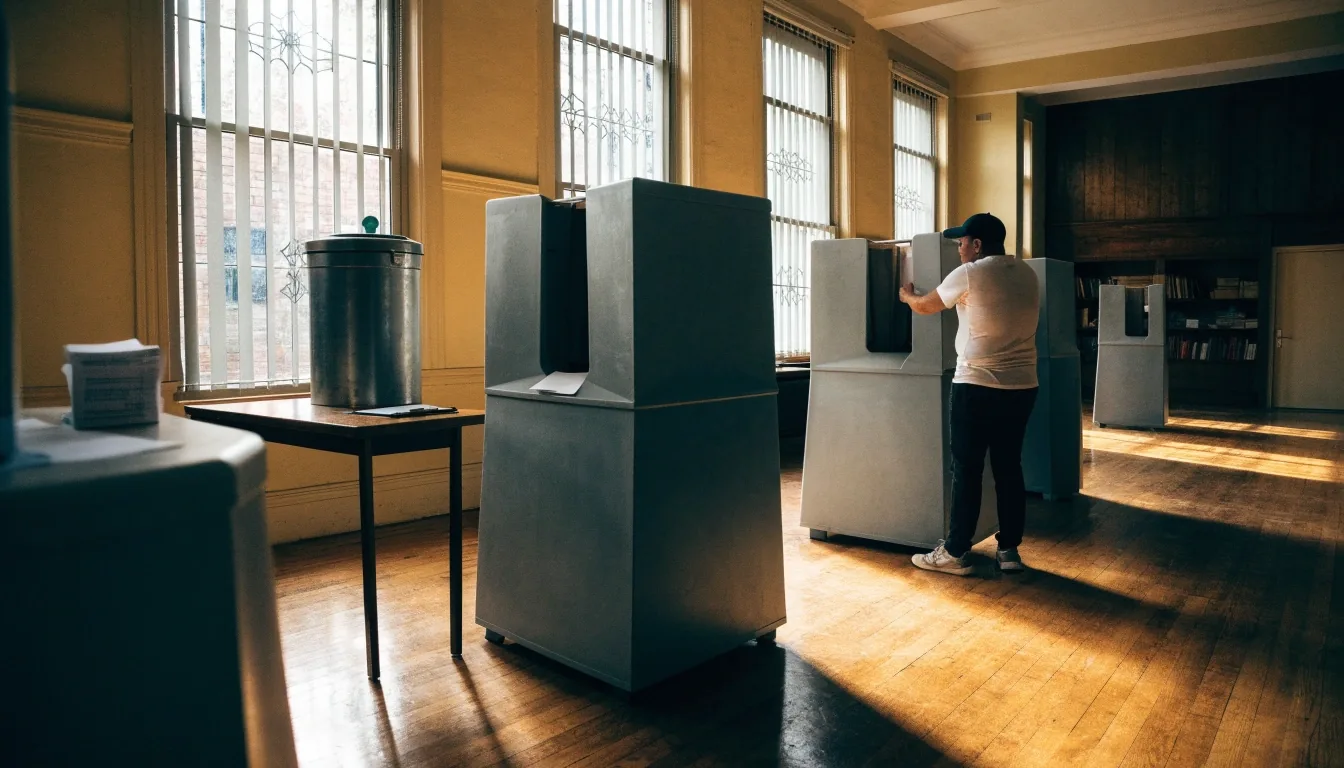
What we're tracking this week
Every committee vote, court ruling, and staffing change ripples outward from here.
- Toss-up districts decide the House Control sits with a handful of suburban seats where party resources are moving fastest. House · Senate
- Redistricting maps survive their first court tests New boundaries can move a district from safe to competitive before Election Day. State courts
- Outside groups open their fall spending Where both parties buy airtime is often the clearest signal of which seats are truly in play. Campaign finance
Race to watch
Pennsylvania House contest
Rep. Ryan Mackenzie is on the campaign trail in a district that has drawn national attention as among the most competitive in the country.
That kind of race rewards local reporting: turnout operations in a handful of townships can matter more than any national slogan.
Read Midterm Races coverageMidterm elections
Reading the midterm map
The path to a House majority runs through a few dozen districts, many of them suburban and increasingly diverse. Senate control is narrower still, hinging on states where a point or two decides the winner.
Redistricting
Several maps are still in court, and rulings could change which seats are in play.
Incumbency
Which sitting members suddenly draw credible challengers tells you where the map moved.
Field operations
Turnout programs and paid staff counts often matter more than advertising in close races.
Spending signal
We keep a running list of the contests where both parties are spending real money.
Congress: oversight and legislation
The Russia–Ukraine policy dispute
Bipartisan blowback has surfaced over a Trump administration decision touching Ukraine-related law. Members are warning the administration may be defying a federal statute, which turns a foreign-policy question into a test of presidential authority.
That tension runs through sanctions enforcement. Congress passed a ban on Russian energy imports, and senators are now questioning the legality of a decision that touches that ban.
Appropriations and oversight hearings
Lawmakers are juggling spending bills, oversight hearings, and an agenda that keeps colliding with executive action. How the dispute resolves will shape both U.S.–Russia relations and the balance between congressional law and executive discretion.

White House
Appointments, messaging, and what agencies actually do
A single executive action can push a committee to schedule a hearing, prompt a state attorney general to file suit, and give a challenger a talking point in a swing district. We try to show those chains rather than report each link in isolation.
Coverage here means tracking not just what the president says, but what agencies actually do with the authority.
Campaign finance
The money behind the midterms
Campaign finance is inseparable from campaign coverage. Republicans are described as holding a large cash advantage in House politics, and polling and ad exposure suggest the GOP has had more spending leverage in key districts.
That edge shows up as message saturation: more mail, more digital ads, more field staff in the places that decide close races.
Party committees are using those resources to defend vulnerable seats and press offensive opportunities in districts where the margin is thinnest.
We track the fundraising numbers, the outside-group spending, and the trade-policy fights, including tariff refunds, that feed into the federal balance sheet and, eventually, into campaign accountability.
Election administration
Early voting and the courts
Early voting is already reshaping the national picture. In Ohio, a state treated as important to Senate control, reporting suggests Democrats appear more enthusiastic in the earliest voting data. That matters because early turnout can reset the final-week narrative and force campaigns to reallocate resources.
Meanwhile, a federal judge criticized a Justice Department voter roll audit plan as potentially overreaching. The plan is tied to debates over election integrity and civil-rights protections, and it has become a legal and political flashpoint.
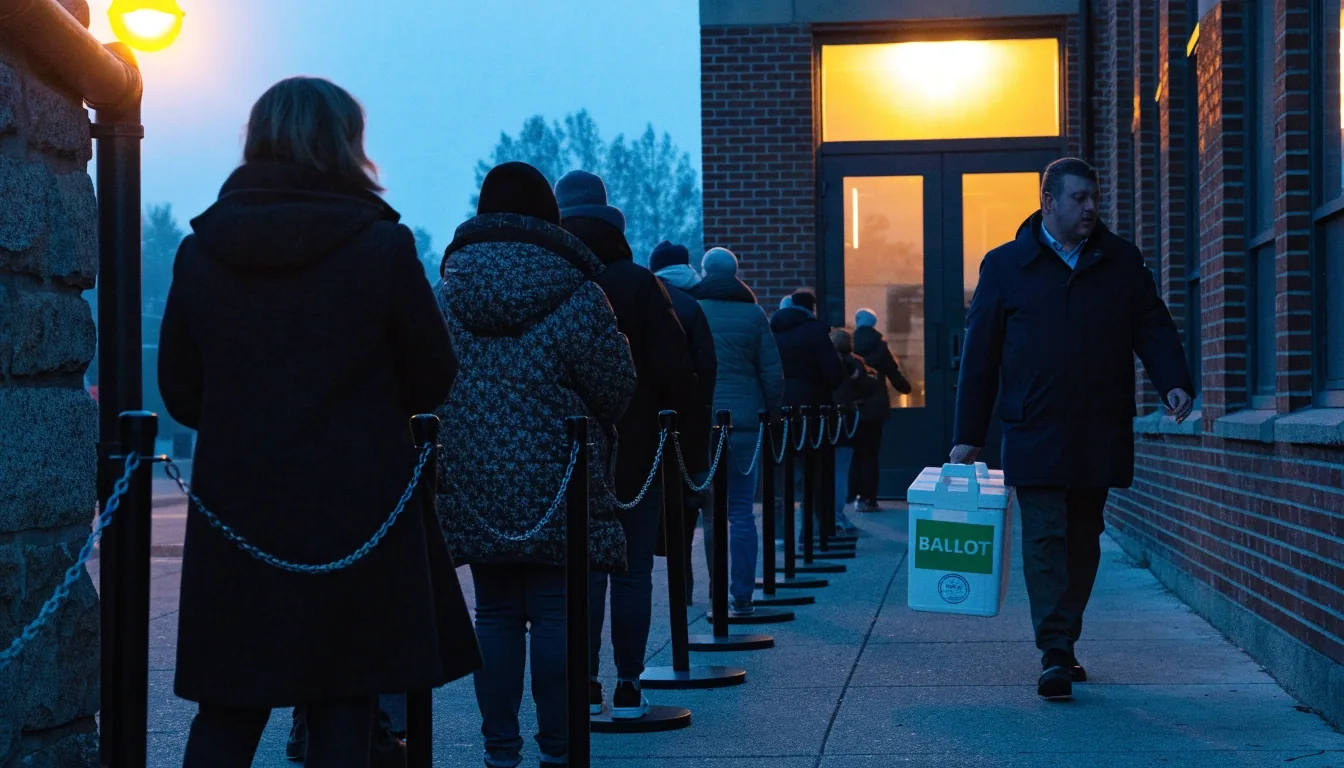
Election administration is now one of the most litigated parts of American politics, and we cover the rulings as they land.
How to use this site
Start with the section that matches your question. Each one links to deeper reporting and to the explainers behind the headlines. We publish throughout the day and update developing stories as facts change.
Midterm Races
Tracks the competitive House and Senate contests, including the Pennsylvania district drawing national attention.
Read Midterm Races coverageElection Administration
Explains early voting, voter rolls, and ballot access, and follows the court rulings that change how elections run.
Follow Election AdministrationPolicy and Legislation
Follows the congressional and executive fights, from appropriations to sanctions enforcement and the statutes behind them.
See Policy & LegislationCampaign Finance
Shows where the money is going: fundraising totals, outside-group spending, and the ads voters actually see.
Track Campaign FinanceWhat we don't do
We don't publish polls we can't source, and we don't treat a single survey as a prediction. We label analysis as analysis and keep opinion out of news reporting. When we make a mistake, we correct it and note the change.
We also don't accept the premise that a race is decided until the votes are counted. Projections and calls are attributed to the organizations that make them.
Our reporting approach
We prioritize primary documents: bill text, court filings, campaign finance reports, and official statements. When we use anonymous sourcing, we explain why the source needs protection and how we verified the information.
Our reporters cover Washington and the states, and we rely on local knowledge for district-level stories. If you spot an error or have a tip, the contact page explains how to reach us.
Daily brief
A short morning summary, no filler
Readers who want a single morning summary can subscribe to our daily brief. It collects the most important developments from Congress, the White House, and the campaign trail, with links to full stories.
You can also follow specific topics through the site's section pages, which we update as stories develop.

Questions readers ask us
Who is likely to control the House and Senate after the 2026 midterms?
That's the central question of the cycle, and we don't call it early. Control depends on a few dozen House districts and a handful of Senate states. We track spending, polling, and field operations in those races and report what the evidence shows without projecting a winner.
Which congressional races are truly competitive right now?
Competitiveness is best measured by where both parties spend money and where redistricting has shifted the map. We keep a running list of toss-up districts and battleground states, including a Pennsylvania House race that has drawn national attention.
How are redistricting fights changing the battlefield?
New maps can move a district from safe to competitive overnight. Several maps are still in court, and rulings could change which seats are in play before Election Day. We cover those cases as they move.
What is driving voter turnout in early voting states?
Early voting data can show which party's voters are more enthusiastic. In Ohio, reporting suggests Democrats appear more enthusiastic in the earliest data, though early numbers don't predict the final result.
How are campaign money and ad spending affecting the races?
Republicans are described as holding a large cash advantage in House politics, which translates into more advertising and field capacity. Money doesn't decide races, but it shapes which messages voters see most often.
Read the section that matches your question
Demboria Digital publishes reporting and analysis on Congress, the White House, midterm races, election administration, and the policy fights shaping American politics. Start anywhere; every section routes back into the deeper reporting behind it.
Newsroom hours: Monday to Friday, 9:00 AM – 6:00 PM ET · 1600 Pennsylvania Avenue NW, Washington, DC 20500
Contact the newsroom