
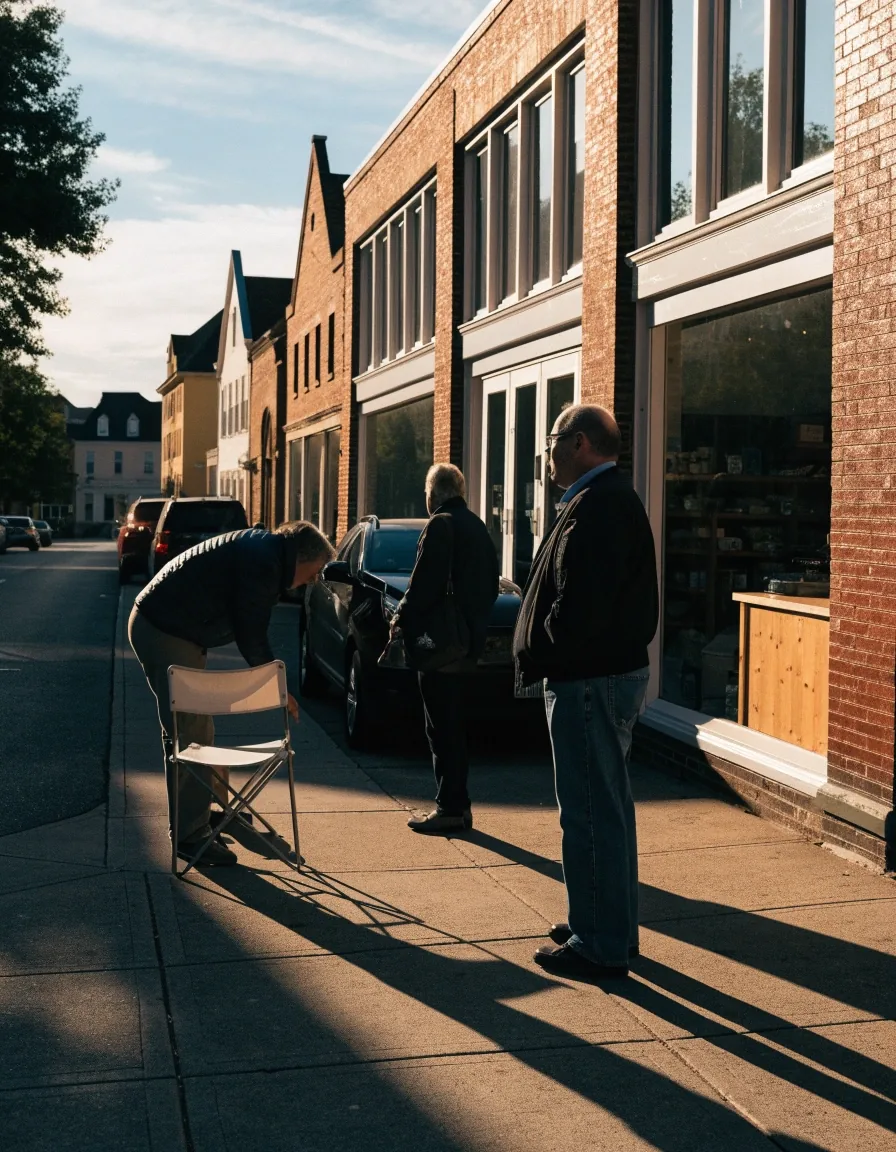
Pennsylvania House race
Polls on the state's toss-up district begin the final stretch.
Identified as among the most competitive seats in the country, and one where precinct-level persuasion work decides the margin.
See the battleground listNewsroom · Washington, D.C.
1600 Pennsylvania Avenue NW, Washington, DC 20500
Monday to Friday, 9:00 AM – 6:00 PM ET
Midterm races are where national politics becomes local. A handful of House districts and Senate states will determine which party controls Congress after 2026, and the difference often comes down to turnout, redistricting, and how much money each side can put on television.

The House majority runs through competitive districts rather than the national popular vote. Many of the most contested seats are suburban, and their voters split between parties depending on the year, which makes them sensitive to local issues, candidate quality, and the strength of each campaign's field operation.
One toss-up district drawing national attention is the Pennsylvania House race, covered on the campaign trail around Rep. Ryan Mackenzie. Pennsylvania is a high-value swing state in both House and Senate politics, and in a district like that, persuasion work in a few precincts can outweigh any national slogan.
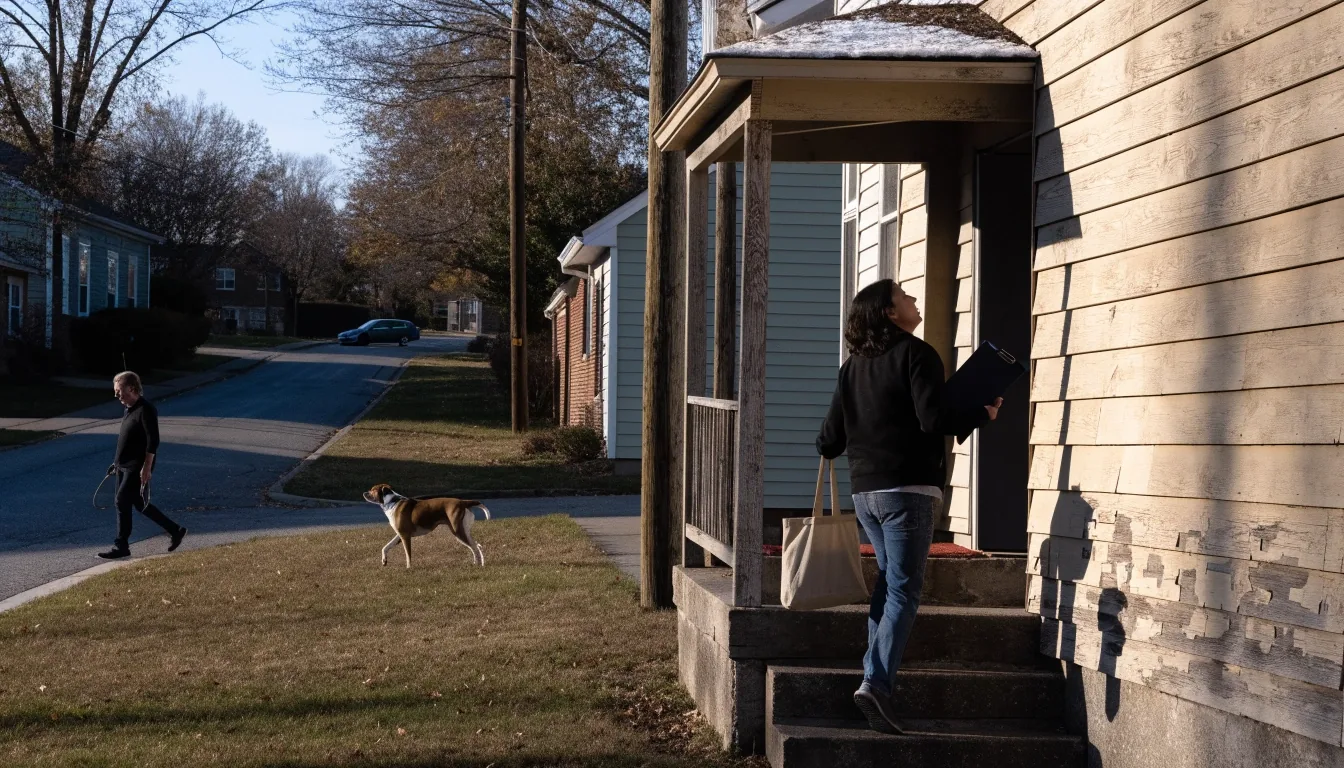
Senate control is even narrower. A single state can flip the chamber, which is why Ohio is being treated as important to Senate control. Early voting in Ohio has already begun to matter in national coverage, and reporting says Democrats appear more enthusiastic in the earliest voting data.
That early enthusiasm doesn't settle the race, but it tells campaigns where to spend their final weeks. Turnout momentum and campaign organization are the two variables we watch most closely in states like Ohio.
We watch turnout momentum and campaign organization before we read a poll.
New congressional maps can turn a safe seat into a toss-up. Several maps remain in litigation, and a single court ruling can redraw the list of competitive districts. We track those cases alongside the candidate filings they affect.
Redistricting also changes which incumbents face real challenges. When a map pairs two sitting members or splits a community, the resulting race often becomes more competitive than either party expected.
Campaign cash is the clearest public signal of which races matter to the parties. Republicans are described as maintaining a large cash advantage in House politics, and the fundraising edge is a recurring theme in coverage. Party resources are being used to defend vulnerable seats and push offensive races.
We track party committee spending and outside-group advertising to show which districts are getting saturated and which are being abandoned.
Read campaign finance coverageWhat the board is watching
House
Toss-up suburban seats
Sensitive to local issues, candidate quality and field work.
Senate
Single-state control
One state can flip the chamber, so Ohio stays high priority.
Maps
Courts and filings
Rulings can move a district from safe to competitive.
Cash
Spending as signal
Two parties spending real money means a live race.
Polls are a snapshot, not a forecast. We report them with their margins of error and their dates, and we avoid treating a single survey as decisive. Aggregated polling and internal campaign data can be more useful, but both have limits.
The most reliable signal is often spending. When both parties put real money into a district, it's competitive. When one side goes quiet, the race has usually moved.
Down-ballot races often follow the top of the ticket, but not always. A strong local candidate can outperform a national party's standing, and a weak one can drag it down. We look at fundraising, endorsements, and whether a candidate has held office before.
State legislative and statewide races matter too, because they shape the rules for future elections. We cover those contests when they intersect with federal races or election administration.

The final weeks bring a flood of advertising, surrogates, and get-out-the-vote spending. Early voting data will show which party's voters are turning out, and campaigns will adjust their targets accordingly.
We'll report the results district by district and explain what each outcome means for control of Congress.
A few contests stand out for their combination of competitiveness and national stakes. The Pennsylvania House race is one. Ohio's Senate contest is another, given the state's role in determining Senate control.
We update our watch list as new polling, filings, and court rulings change the picture. Readers can follow individual races through the site's section pages.
Polls on the state's toss-up district begin the final stretch.
Identified as among the most competitive seats in the country, and one where precinct-level persuasion work decides the margin.
See the battleground list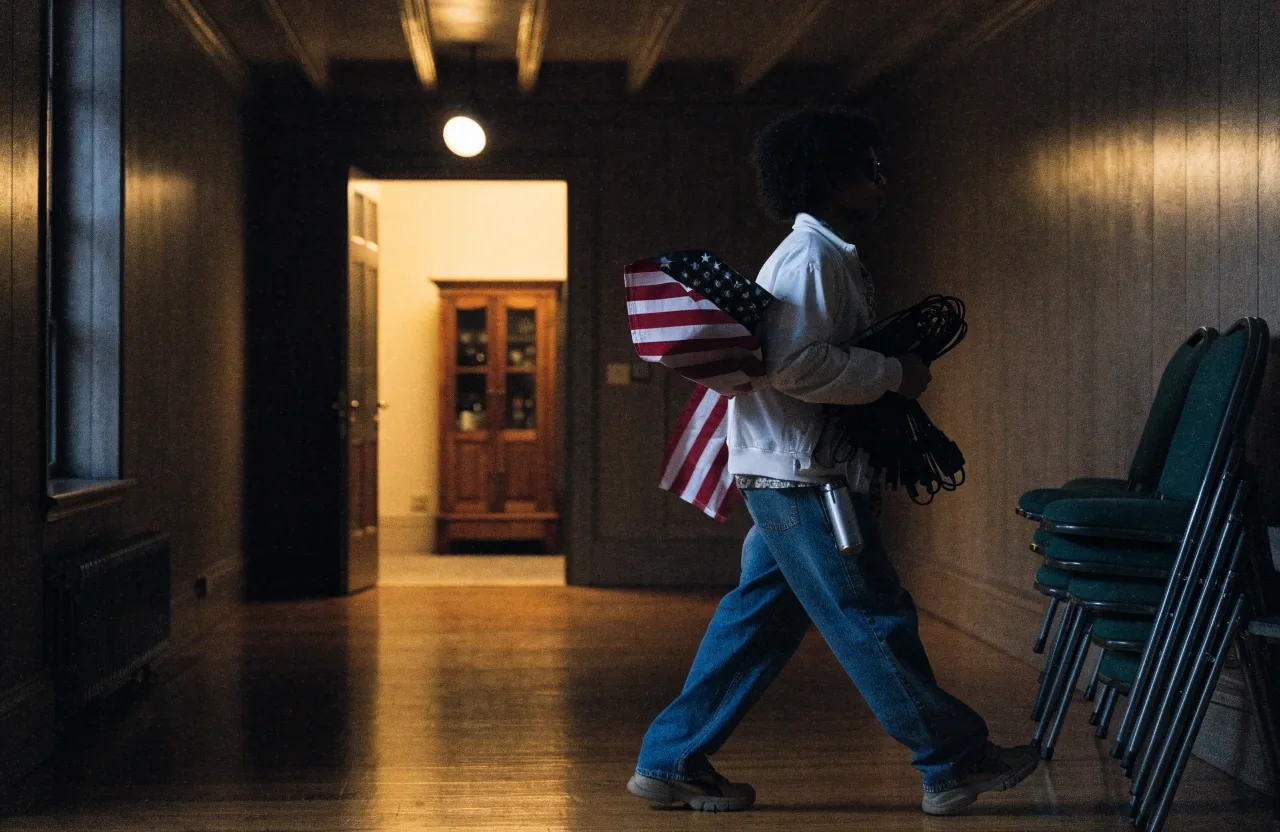
Ohio early voting is already shaping coverage.
A single state can swing which party runs the chamber, so reporting here tracks turnout and ground game week by week.
Follow the Ohio Senate raceThe most reliable signal in a House or Senate race is still where the money lands.
Every week we compare party committee spending, outside-group ad bookings, new public polling, and any court ruling touching a map. Races move on or off the list when those signals change.
We don't call a race from one poll, we don't treat early returns as a forecast, and we don't score candidates on party talking points. Estimates carry their dates, and we say when the data is thin.
The most competitive races are the ones where both parties spend real money. That currently includes a Pennsylvania House race identified as among the most competitive in the country, plus Ohio's Senate contest.
New maps can move a district from safe to competitive. Several maps are still in court, and rulings could change the battlefield before Election Day.
Ohio is important to Senate control, and reporting suggests Democrats appear more enthusiastic in the earliest voting data. Early numbers shape where campaigns spend their final weeks.
This page is the running list of House and Senate contests that decide control of Congress. Alongside it, our election administration reporting follows the rules and logistics that shape who actually gets counted, and our policy desk tracks the fights waiting on the other side of November.
Newsroom hours are Monday to Friday, 9:00 AM – 6:00 PM ET. Reach the desk at [email protected], or call +1 202-488-1112.